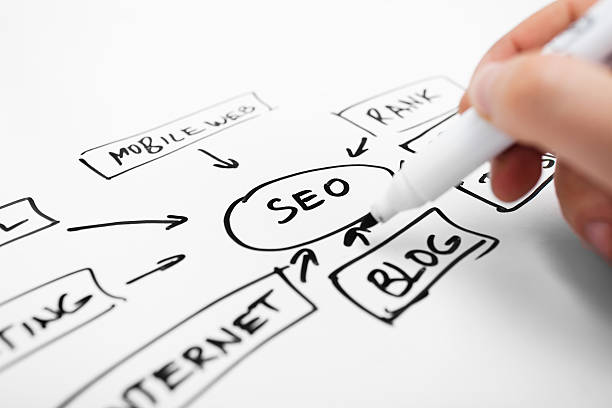
In today’s digital-first world, local SEO plays a vital role in ensuring that businesses connect with nearby customers. With the increasing popularity of “near me” searches, optimizing your website and online presence for local search is not optional—it’s essential. This guide will help you understand the critical elements of local SEO and how to implement them effectively.
Why Local SEO Matters
- Increased Visibility: Appearing in local search results helps potential customers discover your business when they need it most.
- Improved Customer Reach: Local customers are more likely to visit or contact a business that appears prominently in search results.
- Higher Conversion Rates: Local searches often have high intent; users searching locally are more likely to make a purchase or visit your store.
Key Components of Local SEO
- Claim and verify your Google Business Profile (GBP).
- Ensure accurate NAP (Name, Address, Phone Number) information.
- Add relevant categories, photos, and business hours.
- Post regular updates and promotions using Google Posts.
- Conduct keyword research to identify geo-specific terms that your target audience uses (e.g., “best coffee shop in Chicago”).
- Include these keywords naturally throughout your website content, meta descriptions, headers, and URLs.
- Ensure consistent NAP information across all online directories like Yelp, Yellow Pages, and Bing Places.
- Submit your site to high-authority directories relevant to your industry.
- Make sure your website is mobile-friendly since many local searches happen on smartphones.
- Optimize loading speed and ensure easy navigation on smaller screens.
Tips for Optimizing Your Website for Local Searches
| Priority Task | Description | Tools/Resources |
| Optimize Meta Tags | Include geo-targeted keywords in title tags & meta descriptions. | Ahrefs, SEMrush |
| Create Location-Specific Pages | Develop unique pages targeting each location area served by your business. | WordPress or CMS platforms |
| Add Schema Markup | Implement structured data (e.g., Local Business schema). | Google’s Structured Data Tool |
Building Citations for Better Visibility
- Use trusted citation sites such as Yelp, TripAdvisor, or Foursquare.
- Double-check listings for accuracy; consistency builds trust with algorithms like Google’s.
- Audit existing citations periodically to ensure there are no outdated details.
By focusing on these strategies consistently over time, businesses can secure better rankings within their geographic areas while positioning themselves as trusted entities within their communities.
Key Steps to Improving Your Online Presence with Alexandria VA SEO
Polianna SEO Alexandria
914 N Iverson St #303, Alexandria, VA 22304
(703) 475-6907
Optimizing your business for local search is essential if you want to attract a local audience and increase visibility in specific geographic areas. Follow these key steps to enhance your local SEO strategy and improve your online presence.
Claim and Optimize Your Google Business Profile
Google Business Profile (formerly known as Google My Business) is crucial for local SEO. It’s a free tool that helps businesses manage how they appear in search results and on Google Maps.
Here’s how you can optimize it:
– Claim your listing if you haven’t done so.
– Fill out all relevant details, including name, address, phone number (NAP), website URL, business category, and hours of operation.
– Add high-quality images of your store, products, or services.
– Use keywords strategically in your business description without overstuffing them.
– Regularly update information such as holiday hours or special promotions.
Ensure NAP Consistency Across the Web
NAP stands for Name, Address, and Phone Number. Consistent information across all platforms helps build trust with both users and search engines.
To ensure consistency:
– Verify that NAP details are identical on your website, Google Business Profile, social media profiles, directories like Yelp or Yellow Pages, and other platforms.
– Correct any discrepancies immediately to avoid confusing search engines or users.
Leverage Local Keywords in Your Content Strategy
Local keywords are essential for helping your site rank higher in location-based searches.
- Conduct keyword research using tools like Google Keyword Planner or SEMrush.
- Focus on long-tail keywords that include location-specific terms (e.g., “best coffee shop in downtown Chicago”).
- Title tags
- Meta descriptions
- Headings
- Content body
- Image alt text
| Keyword | Search Volume | Target URL | Location |
| “Plumber near me” | High | /services/plumbing | General Area |
| “Emergency plumbing NYC” | Medium | /locations/new-york/emergency | New York |
Build Local Citations
Local citations are mentions of your business on other websites or directories. They help validate the legitimacy of your enterprise while improving search engine rankings.
- Structured Citations: Listings on online directories such as Yelp, TripAdvisor, or Bing Places.
- Unstructured Citations: Mentions in blogs, news articles, or social media posts without formal formatting.
Make sure all citations include accurate NAP details to avoid confusion.
Improve Website Performance for Local Searchers
A fast-loading and mobile-friendly site is essential for attracting local audiences who often browse on their smartphones.
- Mobile-Friendly Design: Implement responsive layouts that adjust seamlessly across devices.
- Page Speed Optimization: Compress images and minify CSS/JavaScript files.
- Location-Specific Landing Pages: Create pages tailored to individual service areas with relevant content.
Use tools like Google Page Speed Insights to evaluate performance regularly.
Engage with Customers Through Reviews
Encouraging customer reviews not only enhances credibility but also positively impacts local rankings since reviews are a key ranking factor for local results.
Tips for building customer reviews:
– Politely ask satisfied customers to leave feedback on platforms like Google or Yelp.
– Respond promptly—whether the review is positive or negative—to show engagement.
– Avoid incentivizing fake reviews; focus instead on genuine feedback from real customers.
By implementing these practices systematically across channels and maintaining consistent efforts over time, you’ll lay the groundwork necessary for sustained improvements in local rankings while significantly enhancing overall visibility online.
Key Steps to Improving Your Online Presence with an SEO Company Alexandria VA
Optimizing for local SEO is essential for businesses that want to attract nearby customers and improve visibility in local search results. This process involves focusing on strategies that enhance your online presence and ensure your business appears in searches with location-specific intent. Below are key steps to optimize effectively.
1. Claim and Optimize Your Google Business Profile
- Claim your business profile at Google Business Profile.
- Business name
- Address
- Phone number (NAP)
- Website URL
- Operating hours
- Add high-quality images of your products, services, or premises.
- Select relevant categories that accurately represent your business.
- Regularly update posts about events, promotions, or announcements.
2. Optimize Your Website for Local Keywords
- Conduct keyword research using tools like Google Keyword Planner or SEMrush.
- Page titles
- Meta descriptions
- Header tags (H1, H2, etc.)
- Body content
- Create dedicated landing pages targeting specific locations if you serve multiple areas.
| Keyword Type | Example Keywords |
| General Local | “best coffee shop in Austin” |
| Service-Specific | “plumbing services Los Angeles” |
| Near Me | “restaurants near me” |
3. Build Local Citations Consistently

Local citations are mentions of your business name, address, and phone number across the web. They strengthen credibility and boost rankings when consistent across platforms.
- List your business in local directories such as Yelp, Yellow Pages, or Bing Places.
- Ensure NAP information is consistent across all citations.
- Remove duplicate or outdated listings from other sites.
4. Encourage Reviews from Customers
Positive reviews improve trustworthiness and influence ranking signals for local searches.
- Politely request reviews from satisfied customers via email or post-purchase prompts.
- Share direct links to review platforms like Google or Yelp.
- Respond professionally to all reviews—positive or negative—to show engagement.
Example Email Template for Review Requests
“`markdown Subject: We’d love your feedback!
Hi [Customer Name],
Thank you for choosing [Your Business Name]. We hope you had a great experience! If possible, could you take a moment to leave us a review on [platform link]? It would mean a lot to us as we strive to serve our customers better every day.
Thank you again for supporting us!
Best regards,
[Your Name]
“`
5. Focus on Mobile Optimization
- Use responsive design so content adjusts seamlessly across screen sizes.
- Improve site speed using tools like Google’s Page Speed Insights.
- Create click-to-call buttons so users can easily contact you on-the-go.
Importance of Local Backlinks
- Partnering with nearby businesses for cross-promotion opportunities.
- Sponsoring community events or charities that will link back to your site.
- Reaching out to local bloggers or journalists who might write about regional businesses.
By following these key steps, businesses can significantly enhance their presence in local search results while building stronger connections within their communities online and offline.
Comprehensive On-Page and Off-Page Optimization Checklists for SEO Services Alexandria VA
When it comes to achieving success in local SEO, focusing on both on-page and off-page optimization is crucial. These strategies work together to enhance your online visibility, build authority, and drive targeted traffic to your business. Below are comprehensive checklists for both aspects of local SEO.
On-Page Optimization Checklist
- Include location-specific keywords in title tags (e.g., “Best Pizza in Austin, TX”).
- Write compelling meta descriptions that highlight your location and services.
- Incorporate relevant location details into headings, subheadings, and throughout the content naturally. Avoid keyword stuffing.
- Include your business name, address (NAP), phone number, and email address prominently.
- Embed a Google Map pinpointing your exact location for easy navigation.
- Verify that your website is mobile-friendly since many local searches happen on smartphones.
- Use Google’s Mobile-Friendly Test tool to identify areas for improvement.
- Implement schema markup to provide search engines with structured data about your business (e.g., operating hours, reviews).
- Write blog posts or landing pages tailored to specific neighborhoods or regions you serve.
- Highlight community events or partnerships as part of the content strategy.
- Add descriptive alt text using location-specific keywords.
- Compress images for faster loading speeds without compromising quality.
Off-Page Optimization Checklist
- Claim & Optimize Your Google Business Profile (GBP)
| Task | Description | |—————————-|——————————————–| | Business Details | Ensure NAP information matches across all platforms and directories. | | Photos & Videos | Add high-quality images of products, team members, or storefronts.| | Categories Selection | Choose accurate categories relevant to your industry.|- Partner with reputable local organizations or bloggers for backlinks.
- Submit listings to trustworthy online directories such as Yelp or TripAdvisor.
- Collaborate with influencers or businesses from the same locality.
- Share stories or updates about community involvement on social media platforms.
- Encourage Customer Reviews Across Platforms
Positive reviews not only attract potential customers but also strengthen local SEO signals:- Ask satisfied customers politely for feedback via email campaigns.
- Respond promptly—whether it’s a glowing review or constructive criticism—to show engagement.
- Leverage Social Media Channels
Actively manage profiles on popular platforms like Facebook and Instagram by:- Posting updates about events, discounts, or new offerings tailored to the audience’s preferences locally.
- Using hashtags related specifically towards area/local industry trends e.g., #DowntownAustinDining
By integrating these checklists into both areas systematically over time , businesses substantially increase chances improving rank visibility become authority aimed audiences
Encourage Customer Reviews and Build Trust for Better Local SEO Rankings
Customer reviews play a critical role in enhancing your local SEO rankings. Search engines like Google heavily factor in user-generated content, such as reviews, to determine the credibility and relevance of a business. Building trust through authentic reviews not only improves rankings but also establishes a positive reputation for your brand in the eyes of potential customers.
Why Customer Reviews Matter for Local SEO
- Improved Visibility: Google’s algorithm considers the quantity, quality, and consistency of reviews when ranking local businesses.
- Enhanced Click-Through Rates (CTR): Positive reviews contribute to a higher CTR, as users are more likely to engage with businesses that have positive feedback.
- Increased Trust: Authentic customer feedback builds credibility and encourages new customers to choose your business over competitors.
- Rich Keywords: Reviews often contain natural keywords related to your business or services, which can boost relevance in search results.
Tips to Encourage Customer Reviews
- A satisfied customer is more likely to share their experience online.
- Prioritize customer satisfaction across every stage of their journey.
- Ask customers for feedback shortly after providing your service or product.
- Timing ensures their experience is still fresh in their minds.
- Provide direct links to review platforms like Google My Business, Yelp, or Facebook.
- Include QR codes on receipts or emails that lead directly to review pages.
- Use email marketing tools or CRM software to send follow-up messages requesting reviews.
- Personalize these messages for better engagement.
- Respond promptly and professionally to both positive and negative feedback.
- Thank reviewers for taking the time to share their experience.
Handling Negative Reviews Professionally
Negative reviews might seem detrimental at first glance but addressing them effectively can strengthen trust and loyalty over time.
- Avoid defensive responses; instead, show empathy and offer solutions.
- Use negative feedback as an opportunity to improve products or services.
- Demonstrate transparency by addressing complaints publicly while maintaining professionalism.
Table: Suggested Platforms for Collecting Customer Reviews
| Platform | Best For | Key Features | Free/Paid? |
| Google My Business | Local businesses | Boosts visibility on Google Maps | Free |
| Yelp | Restaurants and service-based companies | High user traffic | Free/Paid |
| Businesses with social media presence | Integrates social proof with outreach | Free | |
| TripAdvisor | Travel-related businesses | Trusted among tourists | Free/Paid |
Building Trust Through Transparency
Transparency is essential when asking customers for reviews. Avoid incentivizing fake testimonials or misleading consumers with paid endorsements as these practices can lead to penalties from search engines like Google.
- Clearly request authentic feedback without offering monetary rewards.
- Showcase genuine testimonials prominently on your website.
- Use case studies or success stories alongside positive reviews where applicable.
Encouraging customer reviews while focusing on building trust forms a solid foundation not only for better local SEO rankings but also for long-term customer loyalty and brand reputation growth.
Top Tools and Strategies to Enhance Your Local SEO Performance
Enhancing your local SEO performance requires the right mix of tools and strategies that are specifically tailored to boost visibility in local search results. Below is a guide to the top tools and techniques you can use to achieve better rankings and improve your online presence.
Essential Tools for Local SEO
- Google My Business (GMB):
This is one of the most important tools for local SEO. It allows you to create, verify, and optimize your business listing, ensuring accurate information like address, contact details, business hours, and reviews are visible on Google Search and Maps. - Bright Local:
Bright Local provides comprehensive local SEO reporting, including audits, citation tracking, and review monitoring. It’s an excellent resource for improving rankings in local search results. - SEMrush’s Listing Management Tool:
This tool helps manage business listings across various directories while ensuring consistency in NAP (Name, Address, Phone) details across all platforms. - Moz Local:
Moz offers services such as location data management that ensures your information is properly distributed across major directories to increase visibility. - White spark Citation Finder:
Use White spark to identify citation opportunities or improve existing ones by ensuring uniformity across platforms where your business is mentioned.
Strategies to Strengthen Your Local SEO
- Claim and verify your GMB profile.
- Regularly update business information like address changes or adjusted hours.
- Add high-quality images of your storefront or products.
- Encourage customer feedback through reviews on GMB.
- Perform keyword research specific to your area (e.g., “best coffee shop in [City]” or “[Service] near me”).
- Incorporate these keywords naturally in URLs, meta titles/descriptions, headers, and content.
- Ensure Consistent Citations Across Platforms: Uniformity in how your NAP details appear on websites like Yelp, TripAdvisor or Bing Places enhances credibility with search engines.
- Collaborate with local businesses for partnerships or sponsorships.
- Contribute guest posts featuring links back to your website on locally relevant blogs.
- Create Locally Relevant Content: Publish blog articles about topics related specifically toward user interests tied directly toward their geographical region—for instance “Upcoming Events In [City]” promotes engagement alongside ranking benefits simultaneously improving relevance locally
Table Example: Comparison of Key Tools
| Tool Name | Primary Function | Ideal For | Price Range |
| Google My Business | Listing Optimization | All Businesses Free Also professionals alike |
- Optimizing Your Business for Local Search with an SEO Agency Alexandria VA
- Master Local Search with the Best SEO Company Alexandria VA
- How a Trusted SEO Agency Alexandria VA Can Boost Your Business Success
- How Alexandria VA SEO Can Drive Business Success
- Maximizing Business Success with Alexandria VA SEO Strategies
- How to Choose the Best SEO Agency Alexandria VA for Your Business Needs
- How an SEO Agency Alexandria VA Can Drive Essential Business Growth
- Effective Local SEO Strategies with a Trusted SEO Agency Alexandria VA
- Master SEO Strategies with Our Top SEO Agency Alexandria VA Resources Hub